
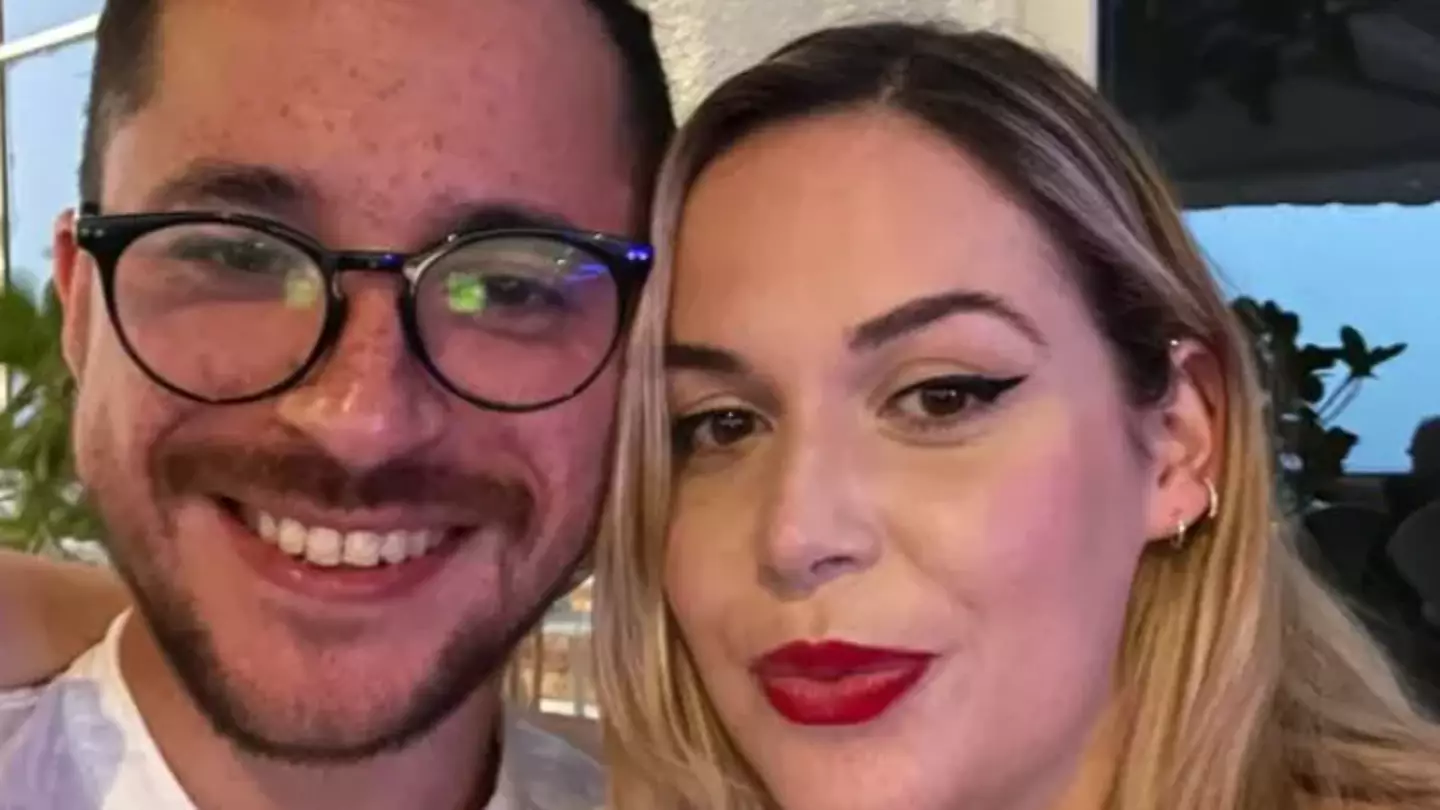

The festive season is a time of joy and celebration for many, but for one couple and their loved ones, this past Christmas brought unspeakable tragedy. Greta and her fiancé, Arno, were found dead in separate rooms at the Hoi An Silverbell Villa in Hoi An Town, Quang Nam Province, Vietnam. The couple had recently gotten engaged, with their untimely deaths occurring just three weeks after this joyous milestone.
Investigators have determined that methanol poisoning was the cause of their deaths, linked to contaminated alcohol consumed on Christmas Eve. The couple is believed to have purchased “homemade” limoncello from a local restaurant, a decision that would tragically seal their fate.
Warning Signs Missed
In the hours leading up to her death, Greta sent a haunting message to her parents, describing “the worst hangover ever.” She also reported seeing “black spots” in her vision—a classic symptom of methanol poisoning. These early warning signs, however, are often mistaken for a typical hangover, delaying medical intervention that could potentially save lives.
Methanol, a toxic form of alcohol sometimes used as a cheap substitute for ethanol, is highly dangerous when consumed. It is often found in counterfeit or poorly made alcoholic beverages, especially in foreign countries where regulations may be less stringent. Tragically, even a small amount of methanol can cause blindness, organ failure, and death.
A Growing Concern: Methanol Poisoning Abroad
The tragedy of Greta and Arno is not an isolated incident. Here at Stamp Out Spiking, we are deeply troubled by the rising cases of methanol poisoning abroad. Tourists seeking to immerse themselves in local culture and cuisine often fall prey to unregulated, homemade alcoholic beverages. The lack of awareness about the risks associated with such drinks only compounds the danger.
In many countries, including Vietnam, the production and sale of counterfeit alcohol remain a persistent issue. Bootleg spirits are often produced without proper oversight, leading to dangerous levels of methanol contamination. While the appeal of trying local specialities is understandable, these risks highlight the importance of vigilance when consuming alcohol in unfamiliar settings.
Raising Awareness and Advocating for Change
Greta and Arno’s story is a harrowing reminder of the dangers posed by contaminated alcohol. At Stamp Out Spiking, we are committed to raising awareness about these risks of alcohol production and sales globally. Education is key—both for travellers and for local businesses—to prevent further tragedies like this one.
Here are some tips to minimise the risk of methanol poisoning while traveling:
- Avoid purchasing alcohol from unregulated vendors or consuming homemade spirits.
- Stick to well-known brands and establishments with good reputations.
- Be aware of symptoms of methanol poisoning, such as visual disturbances, nausea, vomiting, and severe abdominal pain, and seek immediate medical attention if they occur.
- Trust your instincts; if a drink tastes unusual or too strong, don’t consume it.
Honouring Their Memory
As we reflect on the loss of Greta and Arno, we are reminded of the fragility of life and the importance of staying informed about potential dangers. Their tragic deaths underline the urgent need for international action to combat the prevalence of methanol poisoning.
Let their story serves as a wake-up call for travellers worldwide to prioritise their safety and for governments to tighten regulations surrounding alcohol production. Together, we can honour their memory by working to prevent similar tragedies in the future.
Our hearts go out to the families and friends of Greta and Arno during this incredibly difficult time. May their story inspire greater awareness and vigilance, ensuring that their loss was not in vain.